
Clinical Hematology
What is Clinical Hematology?
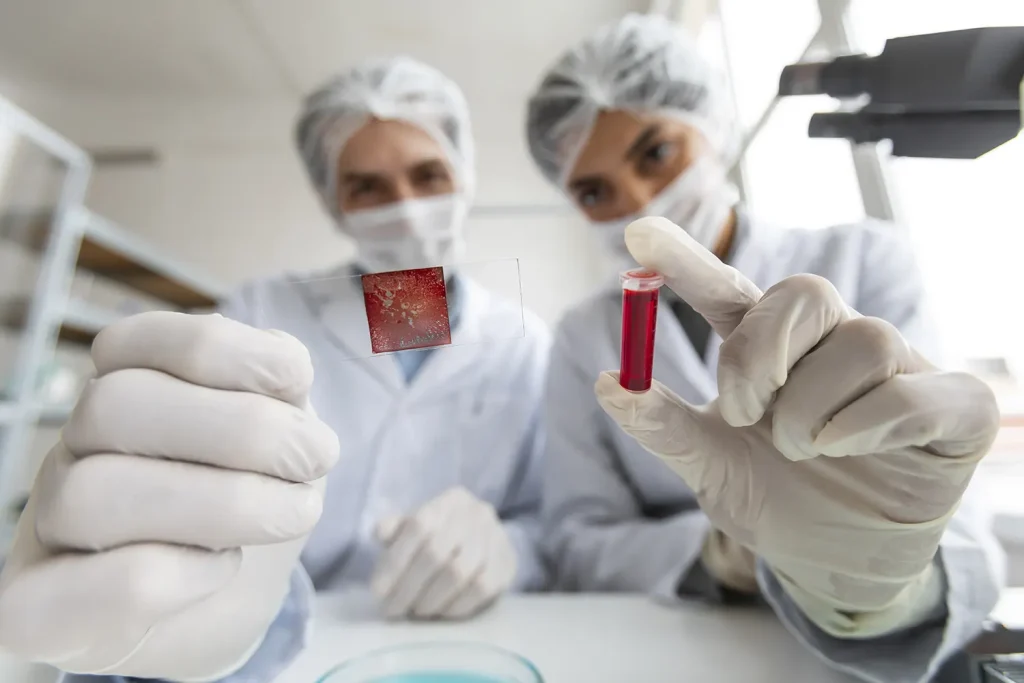
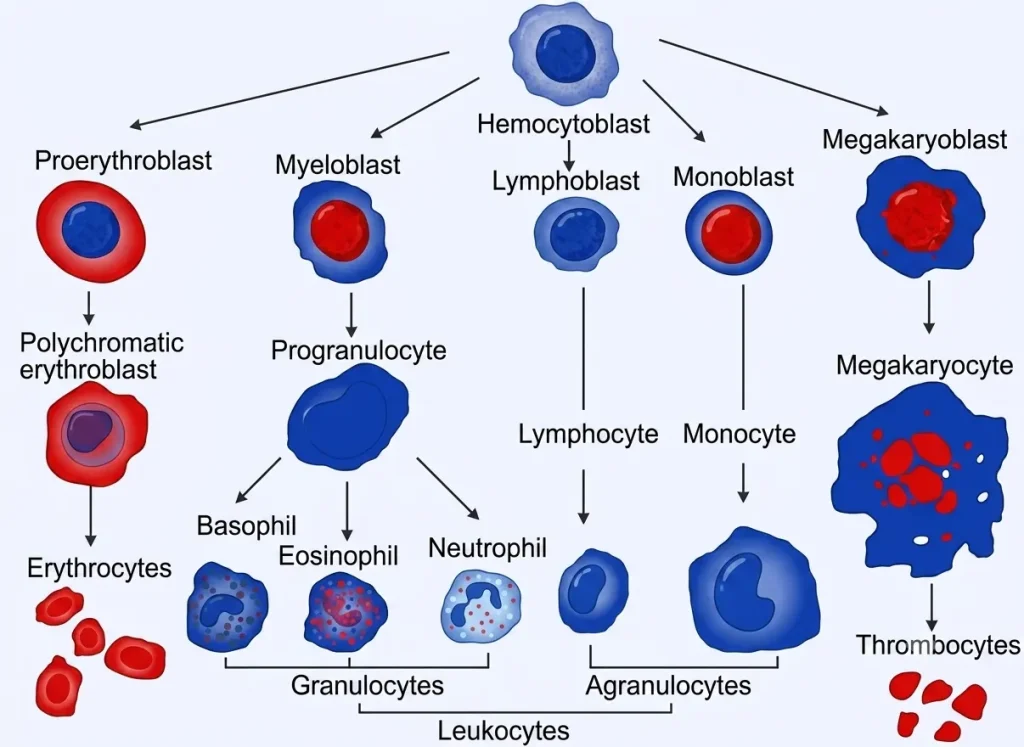
Clinical Hematology focuses on conditions affecting blood components—red blood cells, white blood cells, platelets—and blood-forming organs like bone marrow and lymph nodes. Conditions range from common nutrient deficiencies to complex hematologic malignancies:
Non-Malignant Conditions: Anemia, Thalassemia, Sickle Cell Disease, Idiopathic Thrombocytopenic Purpura (ITP), Hemophilia, Deep Vein Thrombosis (DVT), and Bone Marrow Failure Syndromes (Aplastic Anemia).
Malignant Disorders: Leukemia (Acute and Chronic), Lymphoma (Hodgkin and Non-Hodgkin), Multiple Myeloma, and Myelodysplastic Syndromes (MDS).
Common Symptoms
Blood disorders impair oxygen transport, immune defense, or blood clotting. Seek medical evaluation if you experience persistent symptoms across these areas:
| Category | Warning Signs & Symptoms |
|---|---|
|
General & Anemic |
Persistent fatigue, unexplained weakness, pale skin, shortness of breath, dizziness |
|
Infectious |
Frequent or recurring infections, delayed wound healing, persistent low-grade fever |
|
Bleeding & Clotting |
Unexplained bruising, prolonged bleeding from minor cuts, frequent nosebleeds, heavy menstrual flow |
|
Physical Signs |
Painless swelling in lymph nodes (neck, armpits, groin), enlarged abdomen (splenomegaly), night sweats |
Possible Causes & Risk Factors
- Genetic & Inherited Factors: Gene mutations passed through families (e.g., Sickle Cell trait, Thalassemia, Hemophilia).
- Bone Marrow Dysfunction: Primary stem cell damage impairing blood cell production.
- Autoimmune Mechanisms: The immune system mistaking healthy blood cells for foreign bodies and destroying them.
- Nutritional Deficiencies: Chronic lack of essential nutrients like Iron, Vitamin B12, or Folate.
- Environmental & Chemical Exposures: Exposure to high-dose radiation, toxic chemicals (like benzene), or specific immunosuppressive treatments.
When to Consult a Hematologist
You should schedule an evaluation with a hematologist if you have:
- Abnormal Complete Blood Count (CBC) results showing persistently low or high RBCs, WBCs, or platelets.
- Unexplained, persistent lymph node swelling or unexplained weight loss combined with night sweats.
- Recurrent, unexplainable blood clots or abnormal bleeding tendencies.
- A family history of hereditary blood disorders requiring specialized screening.
- Environmental & Chemical Exposures: Exposure to high-dose radiation, toxic chemicals (like benzene), or specific immunosuppressive treatments.
How Hematological Disorders Are Diagnosed
Accurate diagnosis combines targeted laboratory tests and advanced diagnostic procedures:
- Complete Blood Count (CBC) & Peripheral Blood Smear: Measures blood cell levels and evaluates cell shape, structure, and maturity under a microscope.
- Bone Marrow Aspiration & Biopsy: Samples liquid and solid tissue from bone marrow to evaluate cellularity and stem cell health.
- Flow Cytometry & Cytogenetics: Analyzes cell surface markers and chromosomal structures to pinpoint specific leukemias or lymphomas.
- Molecular Testing (PCR & NGS): Identifies specific genetic mutations to guide targeted therapies.
Available Treatment Approaches
Treatment plans are tailored to the exact diagnosis, disease stage, and individual patient health:
- Medical & Targeted Therapies: Includes oral medications, iron chelation, growth factors (EPO/G-CSF), and targeted molecular therapies.
- Immunotherapy & Chemotherapy: Advanced regimens designed to eliminate abnormal malignant blood cells while sparing healthy tissue.
- Blood Component Transfusions: Packed red blood cells or platelet transfusions to stabilize acute conditions.
- Bone Marrow / Stem Cell Transplantation: Replaces diseased marrow with healthy stem cells from a donor or the patient.
FAQs
Does an abnormal CBC result mean I have cancer?
No. Most abnormal CBC results stem from non-cancerous causes like nutritional deficiencies, temporary infections, or benign conditions. A hematologist will perform targeted tests to find the exact cause.
What is the difference between a hematologist and an oncologist?
A hematologist specializes in blood disorders (both non-cancerous and cancerous), while an oncologist treats solid tumor cancers. Hematologist-oncologists specialize in blood cancers specifically.
Is bone marrow biopsy painful?
The procedure is performed under local anesthesia to minimize discomfort. Patients typically feel brief pressure during the tissue sample collection.
Our Services
Get an Appointment
Schedule your expert consultation with Dr. Nitin Chaudhary today.